If you want some advice or information about your Irish Life company pension scheme, our Pension Education Team are here to help.
Get in touch with our Pension Education Team via email.
by Irish Life
Written by Irish Life staff
Reports • 12 December 2025 • 2 min read
Imagine your life once you’re finished with work. It’s something we all daydream about. You might explore the world, discover new talents, try new hobbies, and spend more quality time with loved ones.
Ideally, you’ll enjoy a happy, healthy retirement without any financial worries because you’ll have a comfortable income from your pension fund.
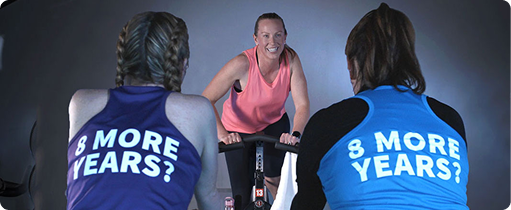
However, Irish Life’s recent Gender Pension Parity report found that women would need to work for 8 years longer than men to build the same-sized pension pot. The data shows a 36% gender pension gap in Ireland.
The gender pension gap is the difference in average retirement savings between men and women at ‘normal retirement age’, which is typically 65 [1].
Irish Life wants to help people build better financial futures. We started the gender pension parity conversation in Ireland in 2019, and in our 2024 report, we took a further look at the causes of the gender pension gap and examined the gender differential across some key behaviours.
The report also suggests solutions for achieving gender pension parity in Ireland. Everyone has a part to play, from employees, employers, pension providers and state policy makers.
Our report found that there are 2 key drivers of the gender pension gap:
Salary disparity directly impacts the gender pension gap. Our data shows that men and women save similar percentages of their salaries [4]. However, because pension contributions are a percentage of salary, higher earners save more in monetary terms.
“Women are twice as likely to earn less than €30,000 per year as men.”
Women are twice as likely to earn less than €30,000 per year as men [5], while men are nearly twice as likely to earn over €100,000 per year compared to women [6]. Since our 2019 Pension Parity Report, there have been some positive changes around Gender Pay Disparity reporting in Ireland, following the introduction of the Gender Pay Gap Information Act in 2021. However, while progress is being made in this space, there is more to be done.

Salary disparity directly impacts the gender pension gap.
Women in Ireland take an average of 6 years out of the workforce, according to Eurostat [7]. This is mainly for maternity leave and care responsibilities, which are heavily influenced by gender norms and traditions. While many women may prepare for income loss during leave, or when reducing their hours to go part time, the impact that this might have on their pension savings can go unnoticed.
The reality is that any unpaid leave or reduced working hours - or any instance where earnings are negatively impacted - affects a person’s pension contributions. For many, the impact is doubled because it also affects their employer contributions. It also means less tax relief.
Women are 3 times more likely to work part time.
Men are almost 2 times more likely to earn over €100,000.
Those making single and/or regular AVCs are likely to get 150% larger pension pots.
The good news is that there are no major differences in the ages at which men and women begin saving into a pension [8], or the percentage of salary they contribute [9]. However, Irish Life’s data found that proactivity in 2 key areas has a significant impact on the pension savings people can expect to build up over time:
“We need to financially empower women in our workforce to be more comfortable, confident and proactive about their finances.”
At the same time, research shows that women struggle with confidence when it comes to pensions and finances [12]. And logically, it’s harder to be proactive in any space when confidence is lacking. This may explain why men are more proactive in both key areas.
We need to financially empower women in our workforce to be more comfortable, confident and proactive about their finances.

Research shows that women struggle with confidence when it comes to pensions and finances.
Employees should take every opportunity available to fast track their financial literacy, strengthen their knowledge and become confident in this space. You can start taking control of your financial future.
Find helpful, practical information and tips to help you make the most of your money on our fast track to financial empowerment video series. Learn how to maximise your savings and feel empowered.
We need solutions at the company, individual and policy levels. Pension policies need to be gender proofed to avoid implementing rules that exacerbate the gap.
Employers can design workplace policies to reduce the impact of unpaid leave for women returning to their roles. Companies can work closely with benefit providers to deliver support and initiatives to boost financial literacy and empower the women in their organisations.
Financially empowering women so they can make informed choices and understand the impact that time out of work or a reduction in hours will have in the longer term is key. We need to help women understand the nuances of their journey and identify steps they can take to close any gaps that might occur along the way if they decide to do so.
Together, we can take progressive steps toward achieving gender pension parity for the women of Ireland. Download the report to learn more.
It’s important to point out that for the purpose of this report, we examine gender purely from a traditional ‘man’ or ‘woman’ perspective. Whilst it’s clear that the whole concept of gender is broader and more fluid than that, the data we use to glean the insights in this report differentiates only by men and women when it comes to gender at this time, though it’s clear that in the future, this debate will evolve.
Our defined contribution (DC) group or workplace pension plans serve as our primary data source, with over 130,000 defined contribution plan members included in the data set, though we also gleaned some useful insights from initial outputs of an ongoing research study which Irish Life funded with South East Technological University around young women’s retirement planning in Ireland, which included both independent focus groups and substantial qualitative analysis.
Irish Life, October 2023
Eurostat, Updated July 2023 – Duration of working life
Irish Life, May 2024
Irish Life, March 2024
Irish Life, March 2024
Eurostat, Updated July 2023 – Duration of working life
Irish Life, May 2024
Irish Life, March 2024
Irish Life, March 2023
Irish Life, March 2023
South East Technological University working paper (2023) “We should all be saving: a study of young women’s retirement planning in Ireland”, Tara Fennelly, John Maher, Dr Rosemarie Kelly and 4. Irish Life, 2023 – Health of the Nation Report.
Useful Resources
You can read or download the PDFs for more information and helpful insights.

Gender Pension Parity Report 2024
Gender Pension Parity Summary Infographic
If you want some advice or information about your Irish Life company pension scheme, our Pension Education Team are here to help.
Get in touch with our Pension Education Team via email.

Helps you save for a comfortable income when you retire and stop working
Adds real value to your total pay and your employee benefits package
Get useful advice and financial education support from our Pension Education Team
EMPOWER Master Trust offers smart investment options and easy online access